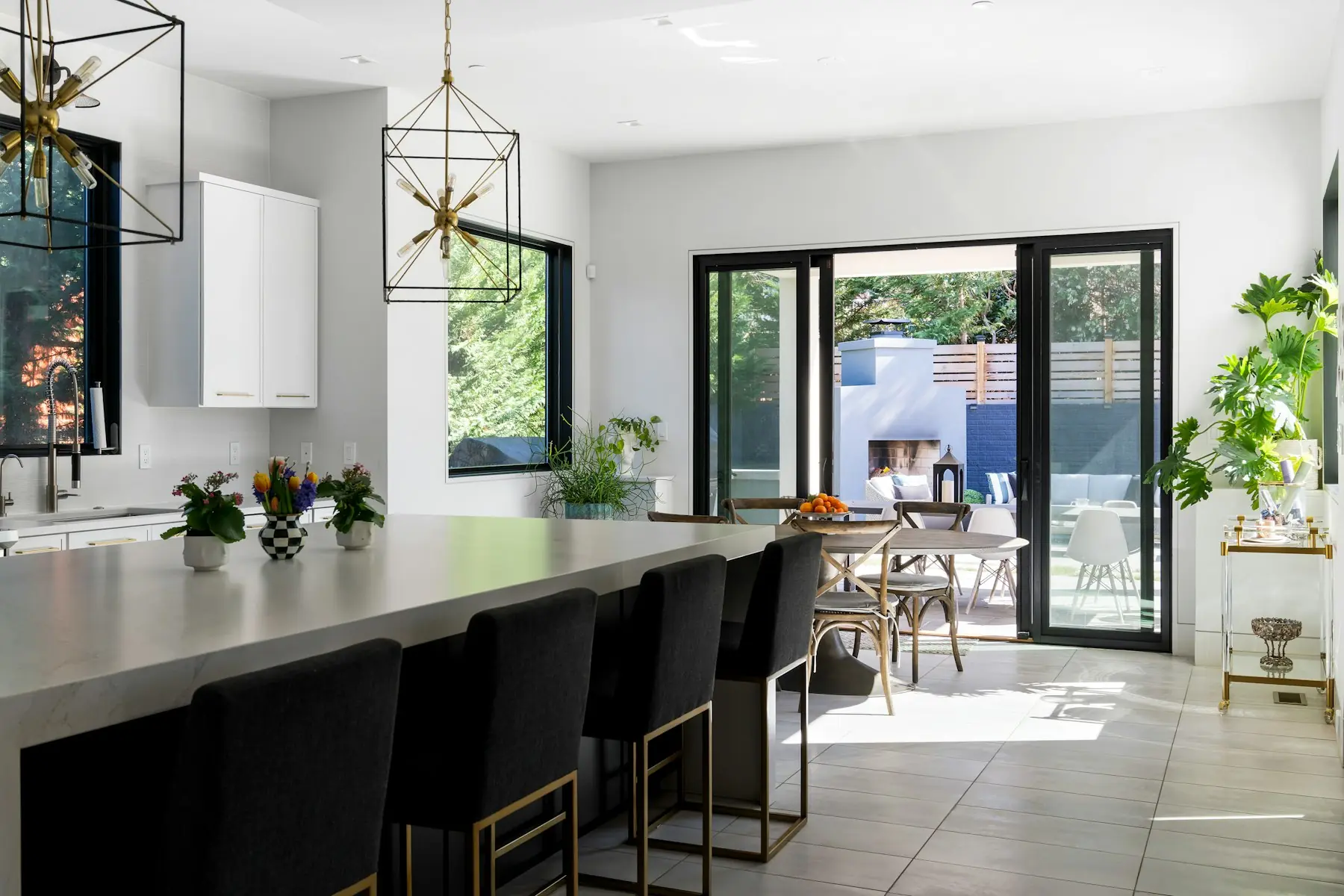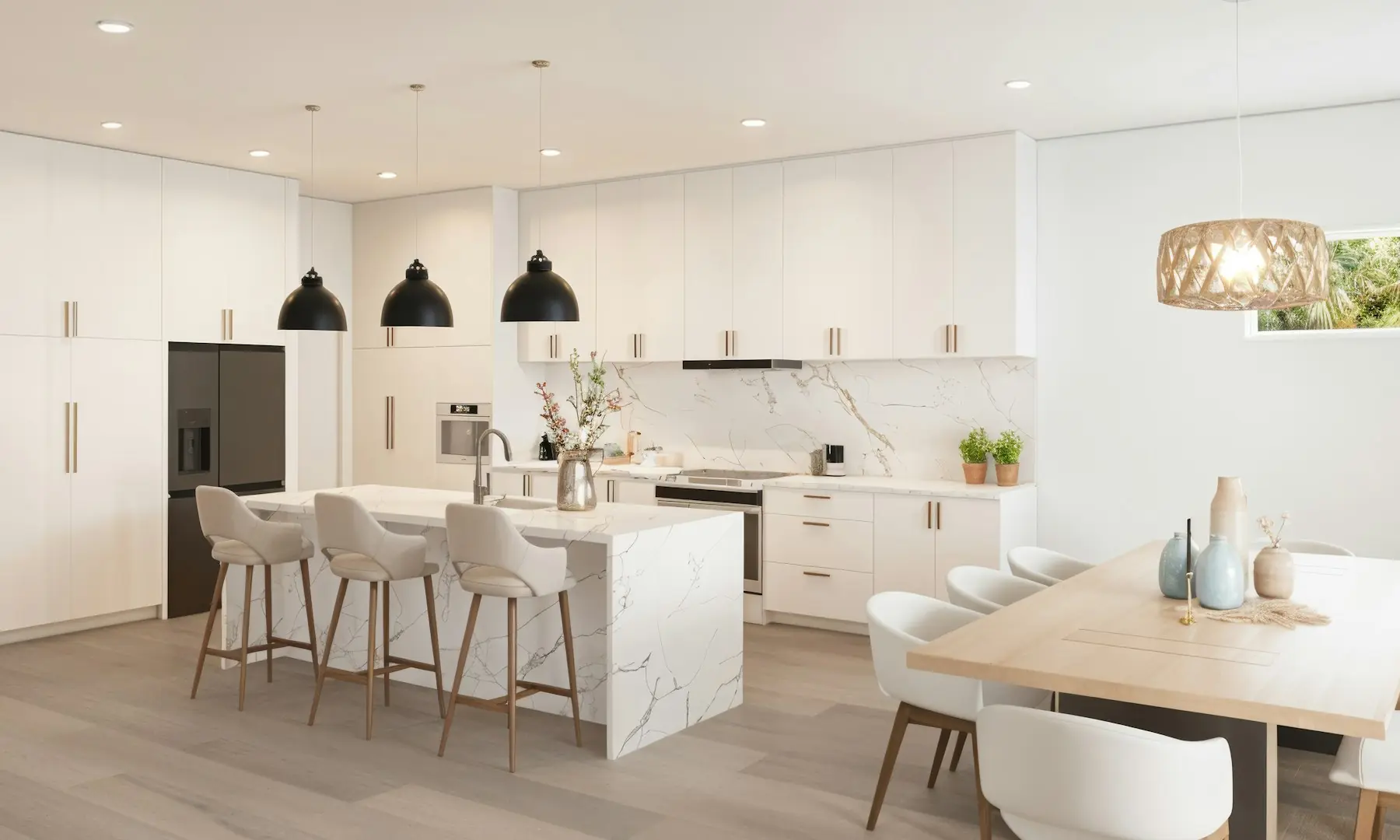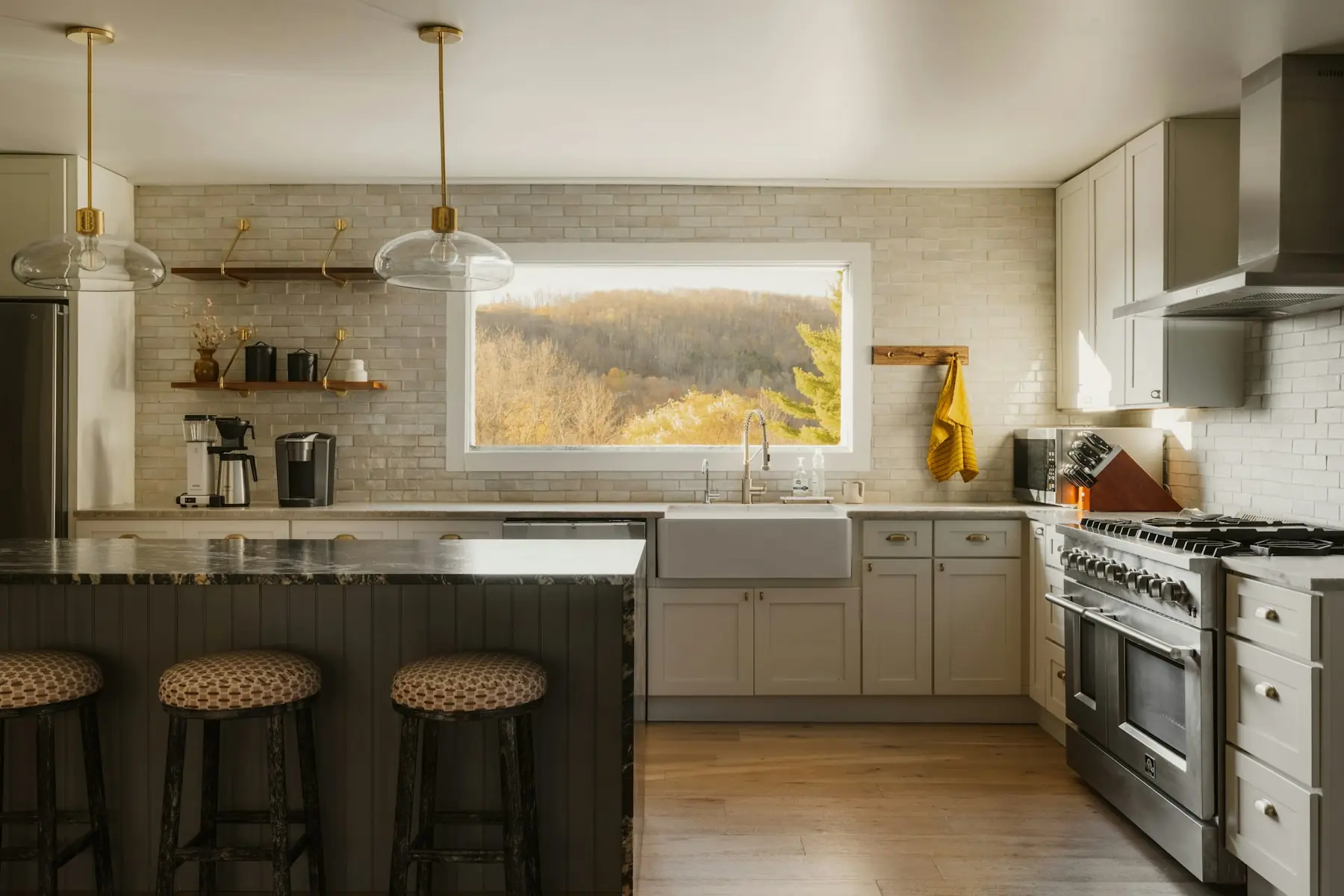
Electrical work in a San Jose kitchen remodel typically runs $4,000 to $12,000 for new circuits, outlets and a fresh lighting plan, and $3,500 to $9,000 more if the panel needs upgrading for an induction range. All new work must meet the 2025 California Energy Code and the 2025 California Electrical Code, both in effect since January 1, 2026.
Designing light for a kitchen
A kitchen needs three layers of light, and older San Jose kitchens usually have one: a single ceiling fixture or a fluorescent box.
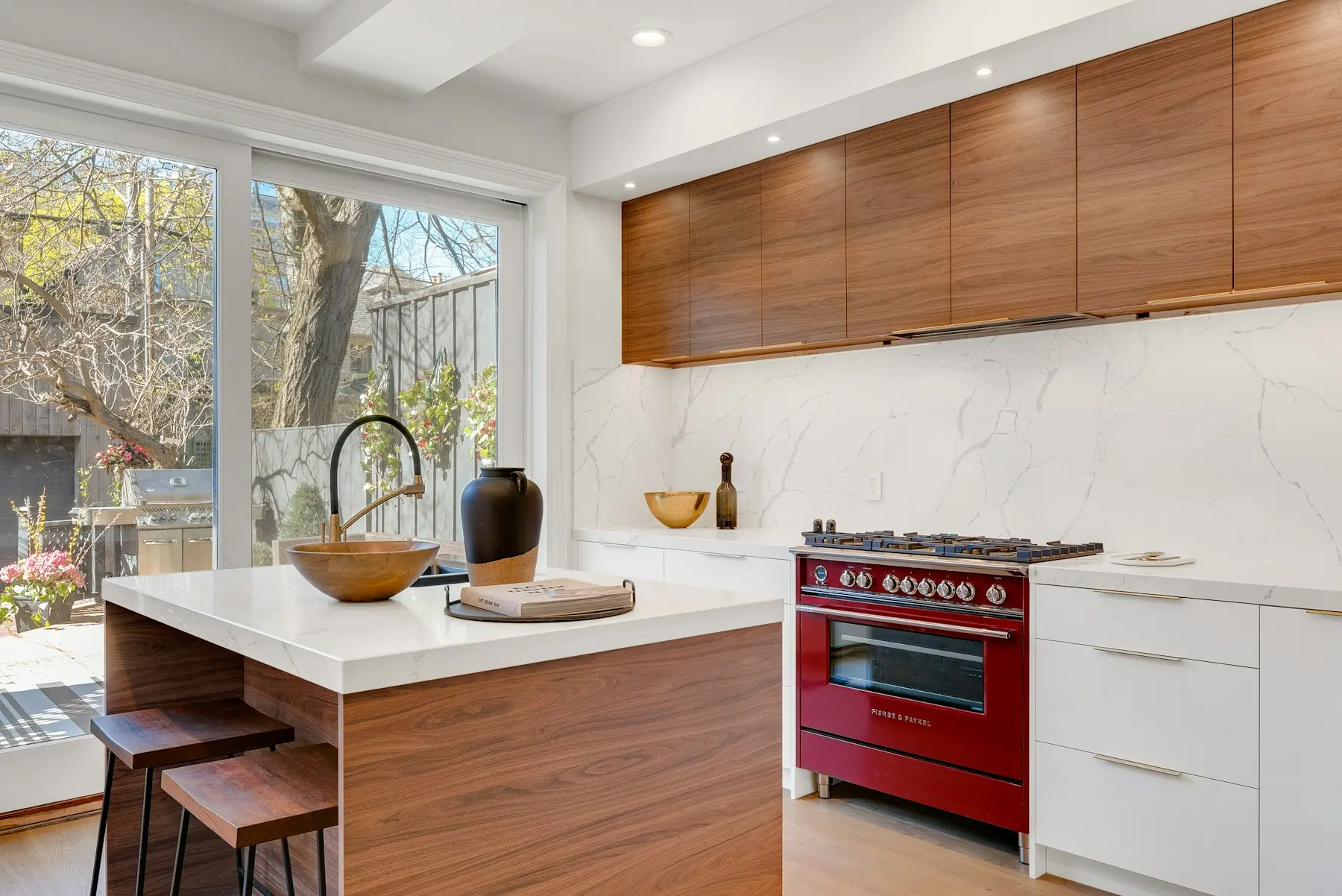
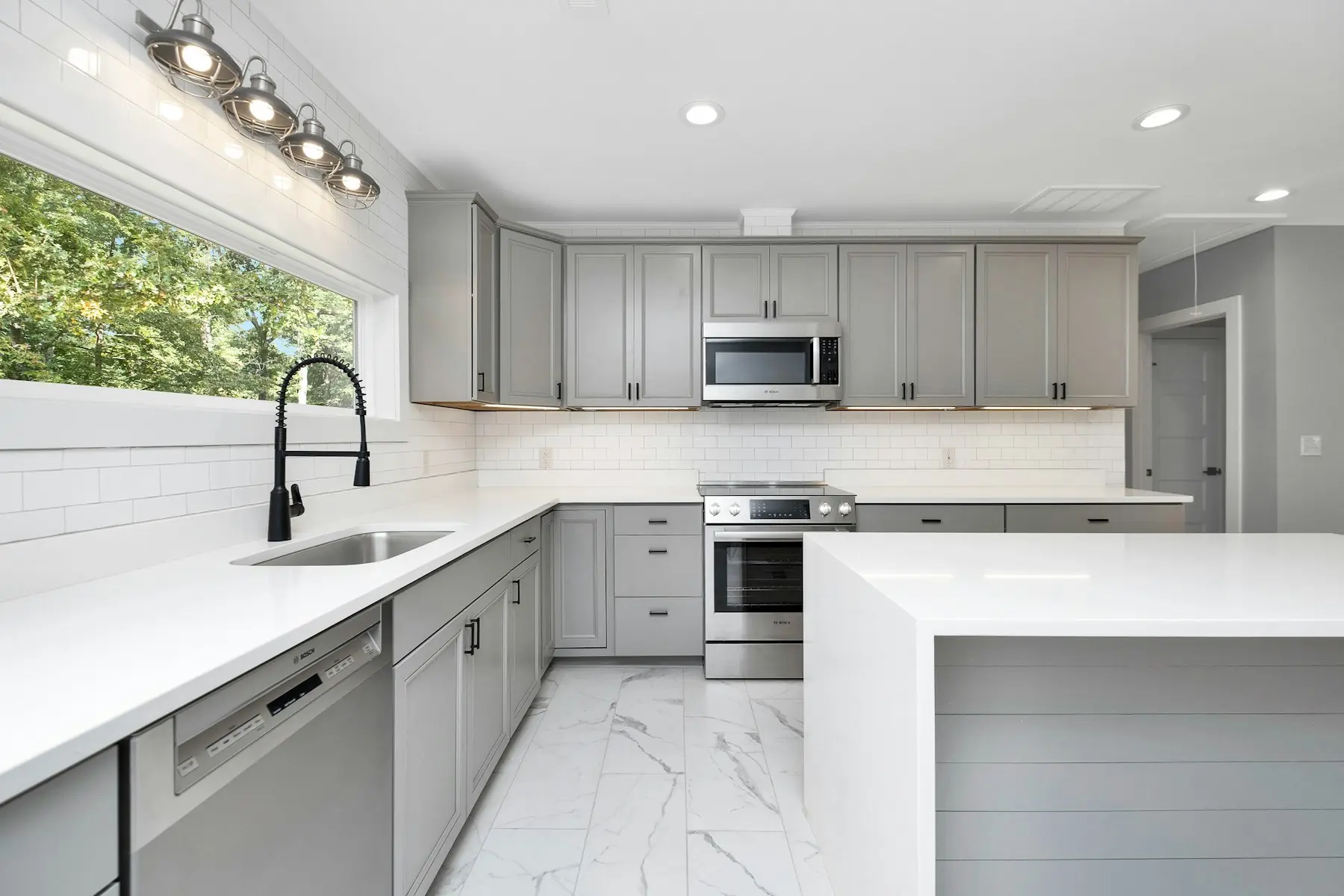
Ambient light fills the room. Recessed LED downlights on a grid, usually 4-inch or smaller, spaced about 4 to 6 feet apart and set roughly 24 to 30 inches out from the upper cabinets so light falls on the counter, not on your back.
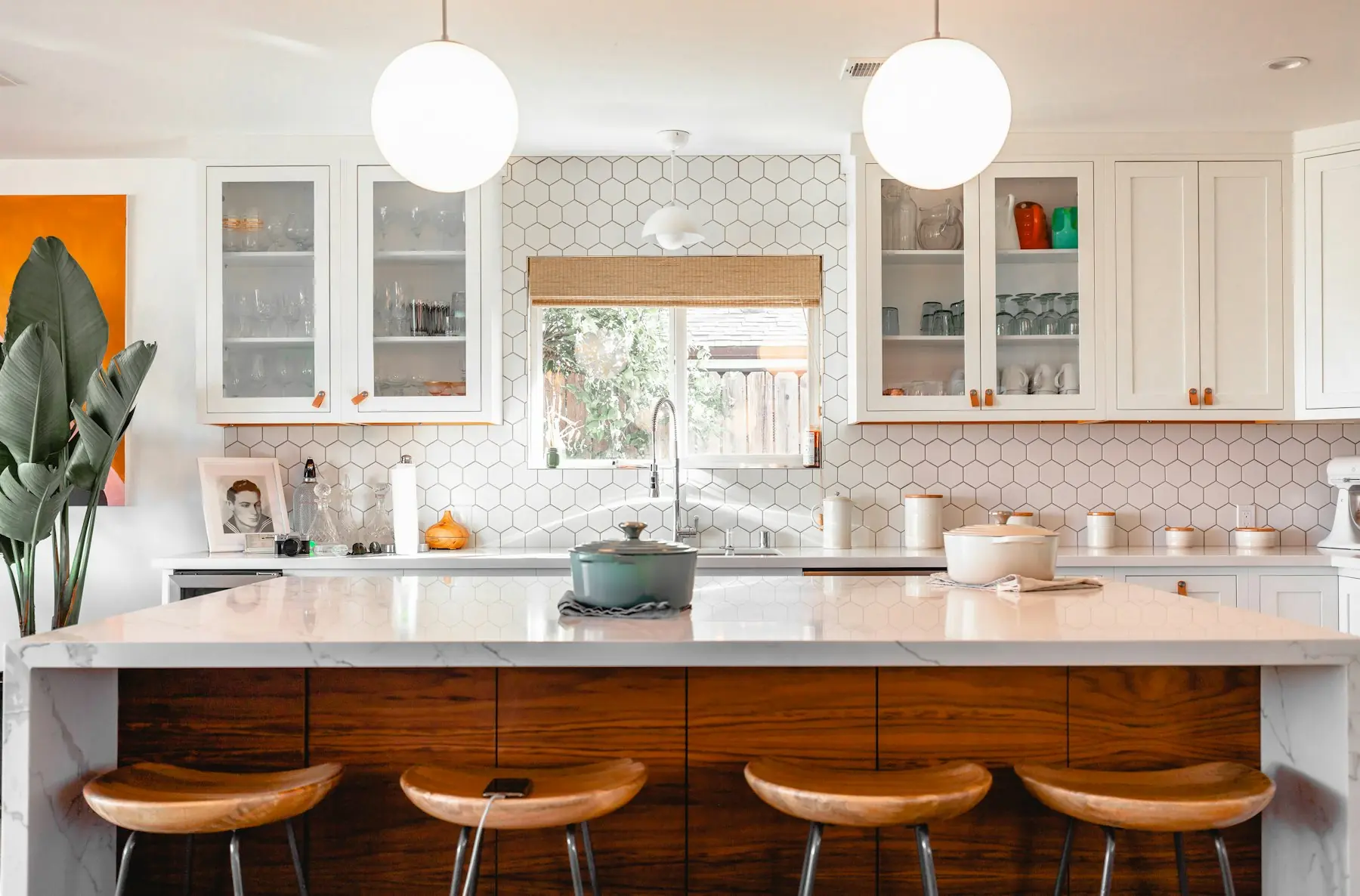
Task light is where the work happens. Under-cabinet LED strips or puck lights eliminate shadows on the counter. Over an island, task light can come from pendants combined with recessed lights or a linear fixture.
Accent light adds warmth: lights inside glass-front cabinets, toe-kick lighting, or a wall sconce over open shelving.
Choose a consistent color temperature. Most homeowners prefer 2700K to 3000K in kitchens that flow into living spaces, with a high color-rendering index so food and skin tones look natural.
What the 2025 Energy Code requires
California's Title 24, Part 6, updated in its 2025 edition and applying to permit applications submitted on or after January 1, 2026, governs residential lighting. In plain terms for a kitchen:
- High-efficacy fixtures. All installed luminaires must meet the high-efficacy rules. Many LED products are certified to the Joint Appendix JA8 standard and marked "JA8-2025."
- No screw-base recessed cans. Recessed downlights in ceilings cannot contain screw-based lamp sockets, which is why integrated LED wafer lights and dedicated LED modules are now standard.
- Controls. Most interior lighting needs manual on/off control plus dimmers or vacancy sensors as the code table requires. Lighting built into range hoods is exempt from some control requirements.
- Paperwork. The installer completes a lighting certificate of installation that the inspector reviews.
A licensed electrician who works in San Jose regularly will design to these rules without drama. Problems usually come from homeowners buying decorative fixtures online that are not compliant; check with your electrician before ordering.
Outlets and circuits under the 2025 Electrical Code
The 2025 California Electrical Code is based on the 2023 National Electrical Code. For kitchens, the changes your electrician will handle include:
- GFCI protection for every kitchen receptacle, not just those serving countertops.
- Island and peninsula receptacles became optional, and when used they sit in the counter rather than on the cabinet side. See our island page.
- At least two 20-amp small-appliance circuits for countertop receptacles, plus dedicated circuits for the dishwasher, disposal, microwave and refrigerator as manufacturer instructions require.
- Countertop receptacle spacing so that no point along the wall counter is more than 24 inches from an outlet.
Local amendments can apply, so the inspector's word is final. Expect a rough electrical inspection before walls close and a final at the end.
Switching to induction
Induction ranges and cooktops need a dedicated 240-volt circuit, typically 40 or 50 amps for a 30 or 36 inch range. If your gas range sits on a wall with only a 120-volt outlet, the electrician must run new heavy-gauge wire from the panel. In a single-story home with attic access that is straightforward, about $900 to $2,600. In a slab home with a finished ceiling it can take more patching.
The bigger question is the panel. Many 1950s and 1960s San Jose homes still have 100-amp service. An induction range, a heat pump water heater, a heat pump HVAC system and an EV charger together may exceed it. Your electrician can run a load calculation. Options include:
- A main panel upgrade to 200 amps, often $3,500 to $9,000 or more depending on PG&E work and where the panel sits.
- Smart panels or load-management devices that let several large loads share capacity.
- Power-sharing circuits such as a 120-volt battery-equipped induction range that plugs into a standard outlet.
Rebates for induction and related wiring change frequently. San José's Electric Homes program, which offered $500 toward an induction cooktop and up to $1,000 in equity communities, has not taken new applications since September 2024. San José Clean Energy has offered EcoHome rebates, including one for prewiring a cooking circuit. Check current offerings before you buy; Campbell, Los Gatos and Saratoga residents should look at Silicon Valley Clean Energy's programs instead.
Plan your kitchen wiring with a local proFree in-home or video consult, an itemized written bid, no obligation.
Ventilation and the range hood
Hoods are part of the electrical and mechanical plan. A City of San José inspection checklist calls for kitchen exhaust fans listed for the purpose, at least 100 cfm, ducted to the outdoors with a backdraft damper. Gas ranges produce combustion byproducts, so a capable hood matters even more for gas cooking. In practice:
- Choose a hood at least as wide as the cooking surface, and wider over islands.
- Size the duct to the hood manufacturer's spec, keep runs short and avoid unnecessary elbows.
- Very large hoods can require makeup air under the mechanical code; ask your contractor about thresholds.
Electrical costs in San Jose
| Item | Typical range |
|---|---|
| New lighting plan with 6–10 LED recessed lights, dimmers and switches | $2,500 – $6,000 |
| Under-cabinet LED lighting with driver and switch | $800 – $2,500 |
| New countertop circuits and GFCI outlets for a remodeled kitchen | $2,000 – $5,000 |
| 240V induction range circuit | $900 – $2,600 |
| Main panel upgrade to 200 amps | $3,500 – $9,000+ |
| Pop-up island outlet with circuit | $400 – $1,200 |
These ranges are drawn from published electrical cost guides adjusted for Bay Area labor, and they will vary with access and your home's wiring.
Older wiring you might find
Opening the walls of a pre-1950 San Jose home can reveal knob-and-tube wiring or cloth-insulated cable. Ungrounded circuits are common in 1950s and 1960s homes. Aluminum branch wiring appears in a small number of 1960s and 1970s homes. Any circuit that is modified during the remodel will be brought up to current code; your contractor should tell you what they find and what it will cost before going further.
Smart controls and convenience
Dimmers are now part of code compliance, but smart controls go further: scenes for cooking, dining and night, and vacancy sensors in pantries. Choose controls compatible with your LED fixtures to avoid flicker. Keep the system simple enough that guests can turn on a light without an app.
Planning outlets for modern life
Think about where you charge phones, run a stand mixer, brew coffee and plug in an air fryer. Plan outlets inside an appliance garage, under the upper cabinets, and in a drawer charging station to keep cords off the counters.
Lighting mistakes to avoid
Placing recessed lights too close to upper cabinets, so light hits the cabinet faces rather than the counter. Mixing color temperatures across fixtures. Relying on pendants alone over an island. Choosing fixtures that are not compatible with the dimmers. Forgetting a switch at each entrance to the kitchen. Each is easy to avoid with a lighting plan drawn before the electrician starts.